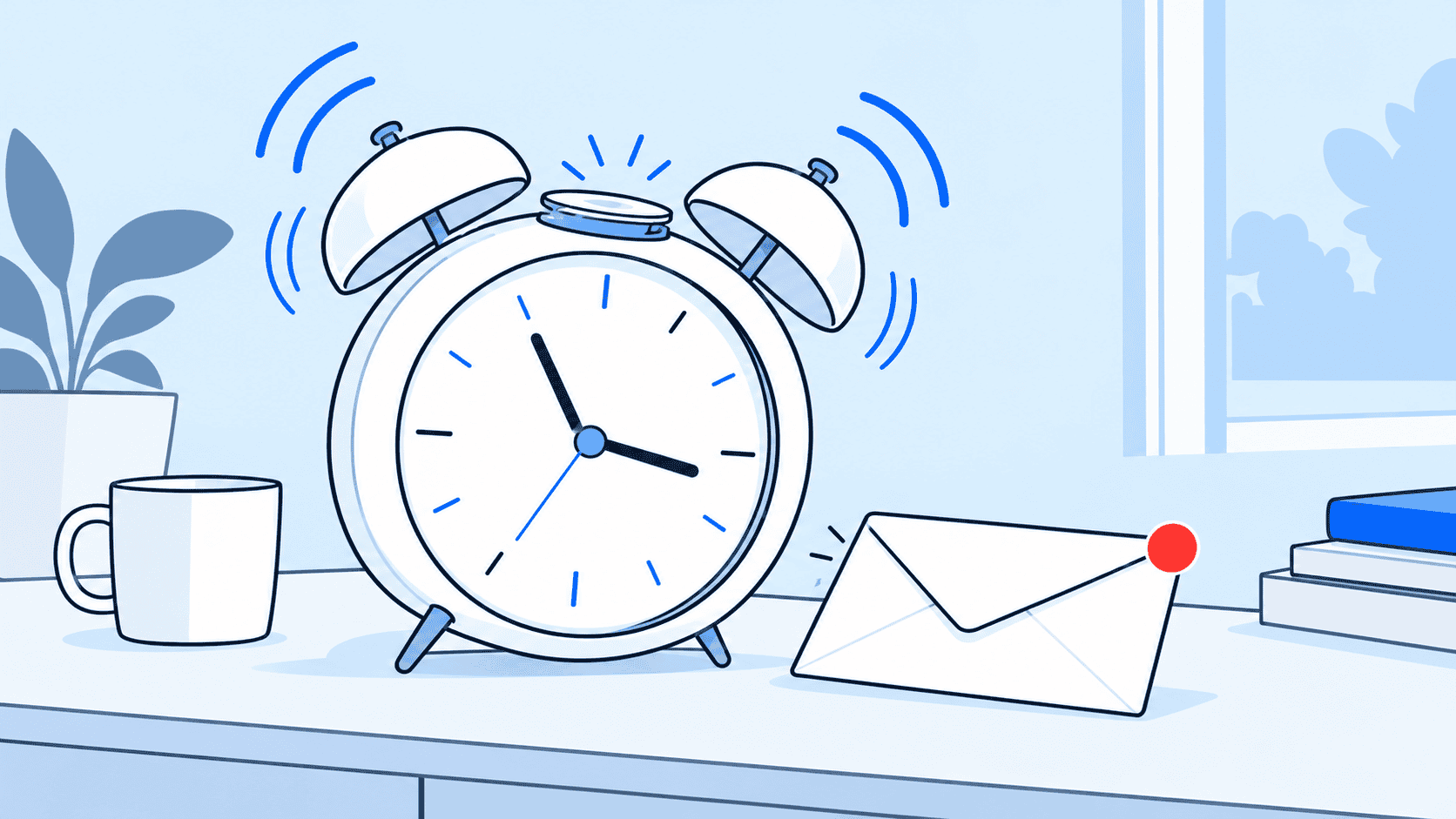
Your first warning sign of a deliverability problem isn’t always something obvious, like spam-folder placement or a blocklist notification.
Maybe you notice that your inbox placement is down, complaints are up, your sender reputation has declined, or your campaign performance fell off a cliff.
That’s usually when you start talking about deliverability. But these are just outward outcomes of undetected behavior that began months or years ago.
This scenario could be happening in your email program right now
Subscribers notice your email in their inboxes. They recognize your subject line because they’ve seen it before on a blanket promotion, a discount, another reminder for a promotion they didn’t act on the first three times you emailed it, or a seasonal notice you sent because your promotional calendar told you it was time.
They probably also expect you’ll send another email tomorrow, in a few days, or next week. So, they scroll right past it.
No harm, no foul, right? They don’t unsubscribe. They don’t complain or mark it as spam. They just ignore you.
This inaction looks harmless. But your subscribers are learning something you didn’t intend to teach them: Your emails aren’t worth their attention.
The more you reinforce that lesson, the more they automatically ignore your messages.
No single campaign causes this problem. In fact, many can generate revenue. But campaign by campaign, your brand could also train a larger part of your database not to pay attention.
We train subscribers how to respond to our emails
Marketers think about engagement as something subscribers either have or don’t have. But behavior isn’t that static.
Every email you send shapes what your subscribers expect from the next one.
If subscribers regularly get something useful, interesting, timely, or relevant, they learn that opening your email delivers value.
If your content doesn’t live up to the interruption, they learn they don’t need to evaluate each email. Their previous experiences already helped them make the decision.
See brand. Recognize pattern. Keep scrolling. Repeat.
What began as a conscious choice can become habitual behavior. That’s where a marketing problem can morph into a deliverability problem.
When campaign optimization works against program performance
This is one of the tensions in email marketing. Sending more reminder emails might generate incremental revenue. The fourth email in a promotional sequence might produce a few more orders. Increasing frequency might lift total campaign revenue.
When you look at each campaign individually, sending more can look like the rational decision. But what happens when we look beyond the immediate conversion?
We pay an opportunity cost every time we ask for someone’s attention. If too many of those interactions offer too little value, we don’t just fail to generate engagement. We also influence how subscribers approach future campaigns.
That creates a question that marketers rarely include in campaign planning: What are we teaching subscribers to expect from us?
If the answer is, “Most of our emails can safely be ignored,” short-term optimization might be creating a longer-term problem.
Ignoring an email isn’t the same as an open-rate signal
This distinction matters. It’s simplistic to say that someone doesn’t open an email, a mailbox provider records the non-open, and your deliverability gets worse.
That’s not how we should think about this. The issue is the broader behavioral pattern that persistent irrelevance can create.
Subscribers who repeatedly see little value in a sender’s emails become more likely to disengage, unsubscribe, delete messages without considering them, or eventually report unwanted emails as spam.
At scale, those behaviors matter. Mailbox providers assess many reputation and recipient-feedback signals when deciding how to treat email.
One person ignoring one campaign won’t hurt your inbox access. It is the cumulative consequence of a program that has trained too many people to believe that they don’t want its emails.
By the time that becomes visible in sender reputation or inbox placement, the underlying relationship with subscribers has already deteriorated.
This sounds dire. But the flip side is that we can also train subscribers to pay attention.
Relevance isn’t just a conversion strategy
This is why you need to add relevance to your deliverability strategy. But you don’t have to hyper-personalize every campaign. True relevance can be much simpler.
Ask questions like these before you send your next campaign:
- Is there a good reason this person should receive this email?
- Is the message appropriate for their interests, behavior, or stage in the customer journey?
- Does the email offer enough potential value to justify the interruption?
- Have we excluded people for whom the message clearly isn’t relevant?
- Are we sending this email because the subscriber needs it, or because the marketing plan says it’s time to send another campaign?
These questions affect more than clicks and conversions. They influence the expectations subscribers build around your emails.
You can train attention, too
Now, for that good news I mentioned earlier: Learned behavior can work in both directions.
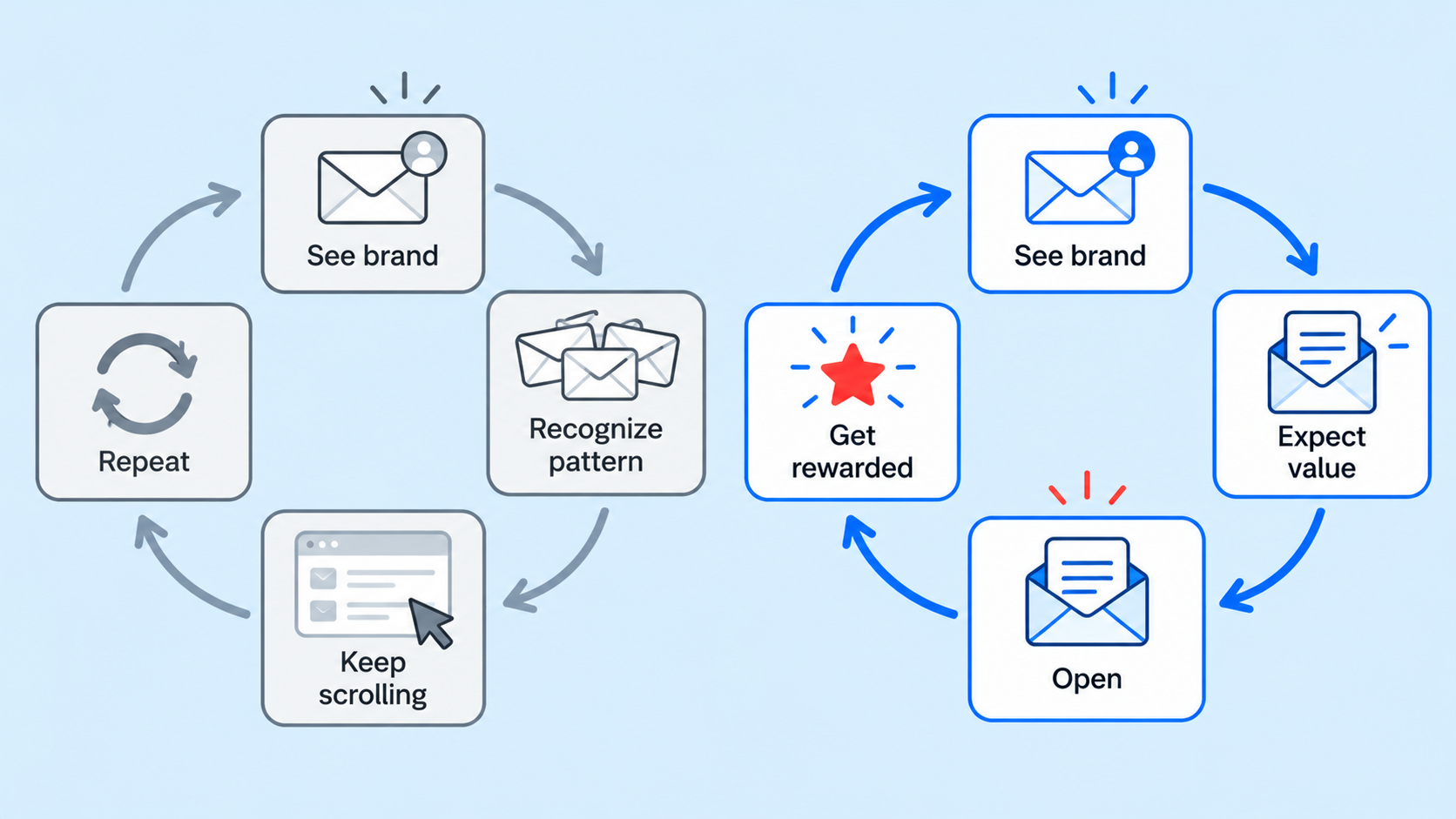
If subscribers consistently find value in your emails, you can build a different expectation. They recognize your emails for the right reasons. Opening feels worthwhile. They get rewarded for their attention.
That doesn’t mean every campaign needs to generate a purchase. Some emails educate. Some entertain. Some help customers use a product better. Some arrive at the moment they are useful.
The important thing is that the relationship doesn’t just cost subscriber attention; it also rewards it.
Deliverability has always been about more than getting a message from one server to another. It is also about whether people want those emails once they arrive.
Long before a subscriber complains, unsubscribes, or your messages begin appearing somewhere you don’t want them, they might already have given you the earliest warning signal of all.
They have learned to ignore you.
About Kath Pay
Kath Pay is a globally recognised email marketing consultant, strategist, and international keynote speaker with over 25 years of experience. As the Founder and CEO of Holistic Email Marketing, she partners with brands to improve performance through strategy, deliverability, and her pioneering Holistic Testing Methodology. Kath is the author of the best-selling book Holistic Email Marketing and is known for integrating behavioural science and psychology into modern email marketing practices.