There's a goldmine in your customer data. Make sure the first sends land.

You've built the business. The customer data is real. What you don't have yet is a sending domain mailbox providers trust at scale. InboxAlly handles the reputation side from day one: adaptive warmup, list hygiene on your real customer data, authentication, and per-provider placement visibility.

Built for businesses opening email as a new channel

You have the customer relationships. You have the data. What you don't have yet is a sending domain mailbox providers trust at scale. The playbook that worked for one-to-one email — confident copy, occasional sends, no warmup — is the same playbook that gets you routed to Promotions or Spam when you turn on a marketing channel. Doing it right from the start is much faster than fixing it later.

Your ESP delivers messages — it doesn't manage reputation

Klaviyo, Mailchimp, ActiveCampaign, and the rest send your email. But the sender reputation that determines whether messages land in the inbox is built on signals they don't control. Sender warmup, engagement signals, per-provider placement testing — these aren't part of an ESP's job. The day you find out is usually the day a campaign tanks.

Real customer list, untrained sending domain

The list you've built through years of customer relationships is genuinely opted-in — real customers who chose to share their email. But that quality doesn't translate to mailbox provider trust on day one. Your sending domain hasn't been seen at scale; providers route the first 30 days conservatively, and what they learn during those sends shapes every future campaign.

The first big campaign is where the channel makes or breaks

Whether it's a Black Friday push, a product announcement, or a re-engagement series to your customer database, without warmup and placement testing in place beforehand, the launch becomes the diagnostic event. The cost: weeks of degraded placement on what was supposed to be your new growth channel.

What InboxAlly gives new senders

A deliverability platform built to be set up alongside your ESP from day one: authentication done right, adaptive warmup from your first send, list hygiene before any broadcast goes out, and per-provider placement visibility so you see what mailbox providers see.

1

Adaptive Autowarmup from day one

AI-driven autopilot warmup that adapts to each domain's signals in real time. Set the warmup schedule, plug in via native CRM integrations (HubSpot, Klaviyo, and more), and the ramp runs without daily intervention. New domains reach productive sending volume in days, not weeks of hand-tuned guesswork. The engagement engine generates real signals through actual mailbox interfaces, so what providers see is real interaction, not synthetic activity.

How warmup works
2

Authentication done right (SPF, DKIM, DMARC)

Per-domain SPF, DKIM, and DMARC tracking via DMARC Reports and Domain Analytics. Surface alignment issues and unauthorized sources before your first marketing send. Clean authentication is the price of entry to the inbox — without it, even great content gets filtered.

DMARC record generator
3

List hygiene before your first send

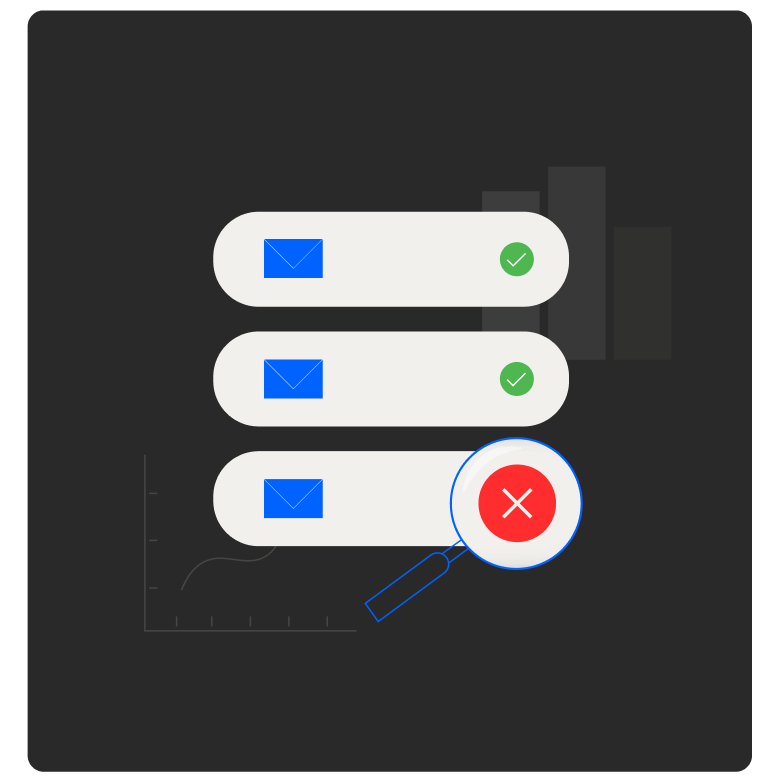
Validate your full list against the address-quality checks used in deliverability incident response: disposable domains, role-based addresses, spam-trap patterns, hard bounces, syntactic errors. The single biggest thing you can do before the first send is remove the addresses that will hurt you.

Email list verification
4

Per-provider placement visibility from your first campaign

Send to a seed network covering Gmail, Google Workspace, Outlook, Hotmail, Microsoft 365, and Yahoo. See exactly where each provider routes your sends (Inbox, Promotions, or Spam) so you know what's working from campaign one — not from campaign five, when reputation patterns are already set.

How placement testing works

Tooling, automation, and a team to launch the channel with

Opening up a new marketing channel comes with a lot to figure out. Tools that adapt to your sends from day one, in-app AI grounded in your account data, and a deliverability team to lean on the first time something behaves unexpectedly.

IA Assistant

An in-app AI grounded in your account data. Ask what to do before your first big send, why your IA Score moved, or which provider routed a campaign to spam. Answers come from your account history and our deliverability playbook, not generic best-practice templates.

Adaptive Autowarmup

AI-driven autopilot warmup that adapts to each domain's signals in real time. Set the ramp on day one and let it run while you focus on building the program. Native integrations with HubSpot, Klaviyo, and more wire your sending stack in directly.

Our deliverability team, every plan

Every plan ships with a dedicated Customer Success Manager plus access to InboxAlly's deliverability team via email, live chat, phone, and Zoom. New to mass email? You don't have to figure it out alone.

We finally got to a place that is very healthy… 75 is the best score yet. We couldn't have achieved this without InboxAlly's seed engagement.
Tino Delnero, Founder · Seido Knives
45 → 75
Klaviyo sender score · Spam rate >20% → <2%
Read the case study
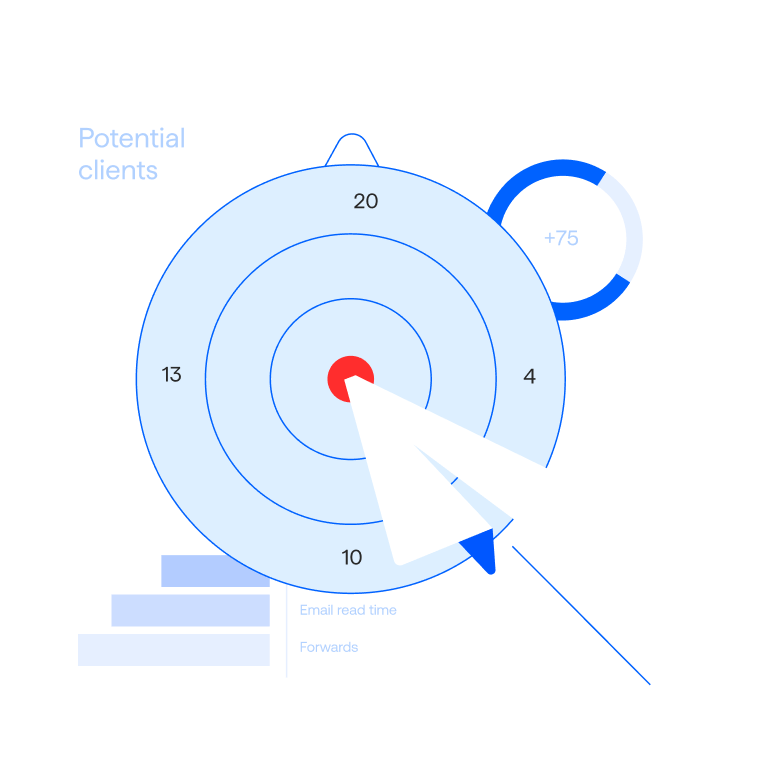
Illustration of a new email sender setting up authentication, warmup, and placement testing

What you need to launch the channel

Beyond the IA Score and placement testing above, InboxAlly ships the full toolkit. What you need to start right, send right, and scale the program without breaking deliverability along the way.

Set up

Authentication, list hygiene, and warmup so the first sends start in good shape.

  • Authentication setup (SPF, DKIM, DMARC)

    Per-domain SPF, DKIM, and DMARC tracking via DMARC Reports and Domain Analytics. Surface alignment issues and unauthorized sources before your first marketing send. Free generators help if you're starting from scratch.

  • List hygiene before any broadcast

    Validate every subscriber against the address-quality checks used in deliverability incident response: disposable domains, role-based addresses, spam-trap patterns, hard bounces. Remove the addresses that hurt you before the first send.

  • Adaptive Autowarmup

    AI-driven autopilot warmup that adapts to each domain's signals in real time. Native CRM integrations with HubSpot, Klaviyo, and more. New domains reach productive sending volume in days, not weeks of guesswork.

Send

Run campaigns with placement testing and live monitoring so problems surface fast, not after.

  • Per-provider placement testing

    Send campaigns to a seed network covering Gmail, Google Workspace, Outlook, Hotmail, Microsoft 365, and Yahoo. See exactly where each provider routes the message (Inbox, Promotions, or Spam) before the broadcast.

  • Live Postmaster monitoring

    Postmaster monitoring surfaces alerts the moment Gmail reputation signals shift (domain reputation, spam rate, delivery errors). Pull the next send early when reputation moves, before the rest of the program pays the price.

  • Works with the ESP you already use

    Native CRM integrations with HubSpot, Klaviyo, and more. InboxAlly sits alongside your ESP, not in place of it — your sending stack stays the same, and warmup state plus placement data wire in directly.

Grow

Scale the program with daily reputation visibility and multi-sender support as your list grows.

  • Daily IA Score per sender

    IA Score updates daily and breaks down per mailbox provider. As your reputation builds, you see the trend on a per-provider basis — and the moment a campaign moves the score, you know which provider responded and how.

  • Multiple sender profiles as you scale

    Start with one sender, add more as the program grows. Each profile carries its own IA Score, engagement mode, and reporting. Separate transactional and marketing sends, or split brands and business lines without juggling tools.

  • REST API + documentation

    Full REST API covers seeds, sender profiles, and broadcasts. Wire warmup state, IA Score, and placement data into custom dashboards or automations as your stack matures. The KB and docs cover every common setup pattern.

Questions new senders ask

Why isn't my ESP (Klaviyo, Mailchimp, etc.) enough?

ESPs are great at sending email: composing messages, scheduling sends, managing lists, tracking opens and clicks. But mailbox providers route your messages based on sender reputation, which is built from signals (engagement, warmup ramp, placement history) that ESPs don't actively manage. You can have a great ESP and still land in spam if your sender reputation isn't built. InboxAlly sits alongside your ESP and handles the reputation side: warmup, engagement signals, per-provider placement, and the visibility to see what's working.

Sender warmup is the process of gradually building a positive sending history with mailbox providers, starting from a new (or cold) domain and ramping up volume over days or weeks. Mailbox providers don't trust senders they haven't seen. Without warmup, a new domain that starts sending at volume gets routed to spam or rejected outright, often before the first campaign closes. Yes, you need it. Adaptive Autowarmup runs the ramp on autopilot, adapting to each domain's signals in real time.

For a new domain on Adaptive Autowarmup with clean authentication and a vetted list, productive placement is typically visible within days to a couple of weeks, with steady-state reputation building over 30 days. Timeline depends on starting state (brand-new vs. previously-used domain), list quality, and how aggressively you ramp send volume. The IA Score updates daily so you see the buildup as it happens, not at the end.

Three things, in order. First, validate authentication on the sending domain by confirming SPF, DKIM, and DMARC are configured correctly. Second, run list hygiene on the customer data before importing. Addresses go stale even when customers were once active, and the spam-trap and bounce rate of an aged-but-real list is often higher than people expect. Third, start warmup running so providers see a gradual ramp, not a 50K-subscriber blast from a cold domain. Your customer data is a real asset; protecting it means treating the sending domain like the new variable it is.

Four steps, in order. First, validate authentication: confirm SPF, DKIM, and DMARC are configured correctly for the sending domain. Second, run list hygiene to remove disposable domains, role accounts, hard bounces, and syntactic errors. Third, start Adaptive Autowarmup for at least a few days so providers have seen the sender. Fourth, run a placement test on the actual broadcast content first so you see where each provider would route it. Then send to the real list.

Yes. InboxAlly works with any sending platform that can send to a list. Native CRM integrations with HubSpot, Klaviyo, and more handle the common cases; the REST API covers anything custom. You don't replace your ESP; you run InboxAlly alongside it to manage the sender reputation side.

Yes. Per-provider placement testing sends the exact subject line, preview text, and body to a seed network covering Gmail, Google Workspace, Outlook, Hotmail, Microsoft 365, and Yahoo. The dashboard shows where each provider routes the message (Inbox, Promotions, or Spam) so you can adjust copy, sender, or cadence before going out at full volume. Both Primary inbox and Promotions count as successful inbox placement in InboxAlly's reporting.

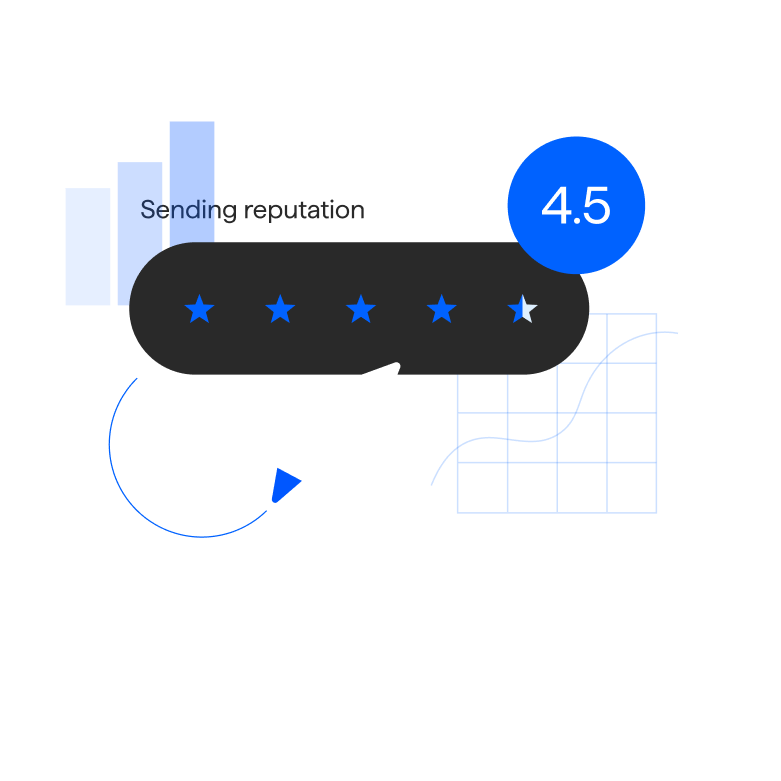
IA Score is InboxAlly's proprietary sender-reputation index, scored 0–100%, representing your predicted inbox placement rate. It's built from your seed email placement history, weighted toward recent performance, and updated daily. The score breaks down per mailbox provider, so when it moves you can see which provider drove the change. Score ranges: 95–100% Excellent, 85–94% Good, 70–84% Fair, below 70% Needs Attention.

Open the channel without burning the customer data

A 30-minute live walkthrough with a deliverability specialist on our team. Bring the channel you're about to open — the customer data you'd love to email, the domain you'd send from, the ESP you're using. We'll show you how to launch so the first sends land.

Book a 30-minute demo