Cold sends need domains the inbox actually trusts

Cold email is harder than marketing email. Recipients haven't engaged with you yet, mailbox providers haven't learned to expect you, and one careless send torches a domain. InboxAlly is built for cold senders running at scale: Adaptive Autowarmup for new and rotated domains, per-provider inbox placement testing, and reputation repair when a sender takes a hit.

Built for the way cold sending actually works

You're not following up with subscribers who opted in. You're reaching out cold, and the recipient inbox doesn't know who you are yet. The work is winning trust at scale without burning the domain in week one.

A new domain is invisible to providers

Mailbox providers don't trust senders they've never seen. Without a warmup ramp, a fresh domain that starts sending at volume gets routed to spam or rejected outright, often before the first campaign closes. The clock starts the day you register the domain.

Prospect lists are minefields

Cold lists carry spam traps, abandoned addresses, role accounts, and disposable domains the marketing world rarely touches. One bad list hits the wrong recipients, and the sender domain pays the reputation cost for weeks afterward.

One bad week torches a domain

In cold sending, the margin for error is small. A single sequence that hits too hard, too fast, or too broadly drops engagement, raises complaints, and tanks the domain. The recovery cost is weeks of degraded placement, sometimes a forced rotation to a new domain.

What InboxAlly gives cold senders

A deliverability platform built for the realities of cold sending: domains that need to earn trust fast, lists that need vetting, and reputations that move quickly in both directions.

1

Adaptive Autowarmup for new and rotated domains

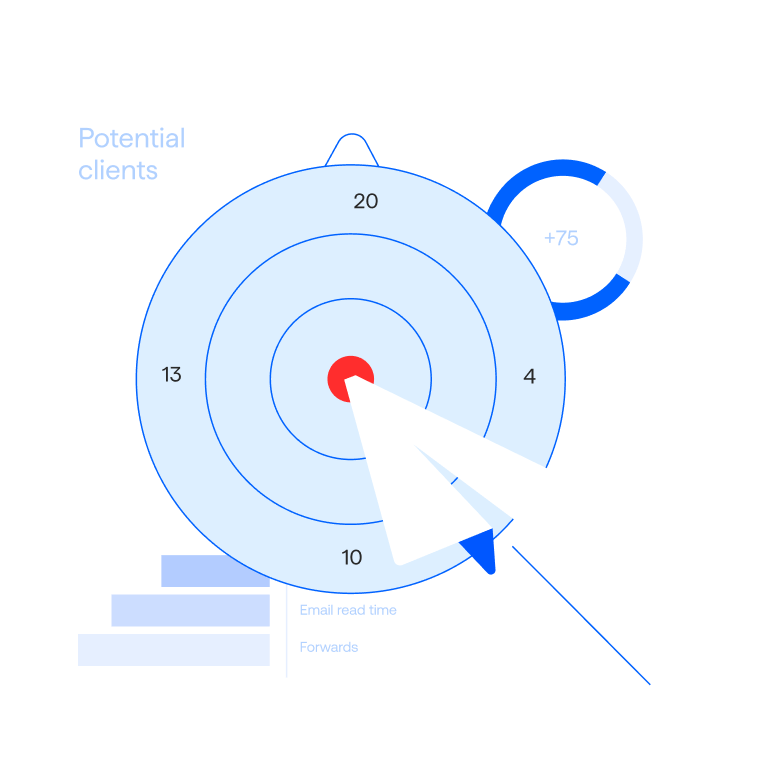
AI-driven autopilot warmup that adapts to each domain's signals in real time. Set the warmup schedule, plug in via native CRM integrations, and let the ramp run. New cold-sending domains reach productive volume in days, not weeks of hand-tuned configuration.

How warmup works
2

Per-provider inbox placement testing

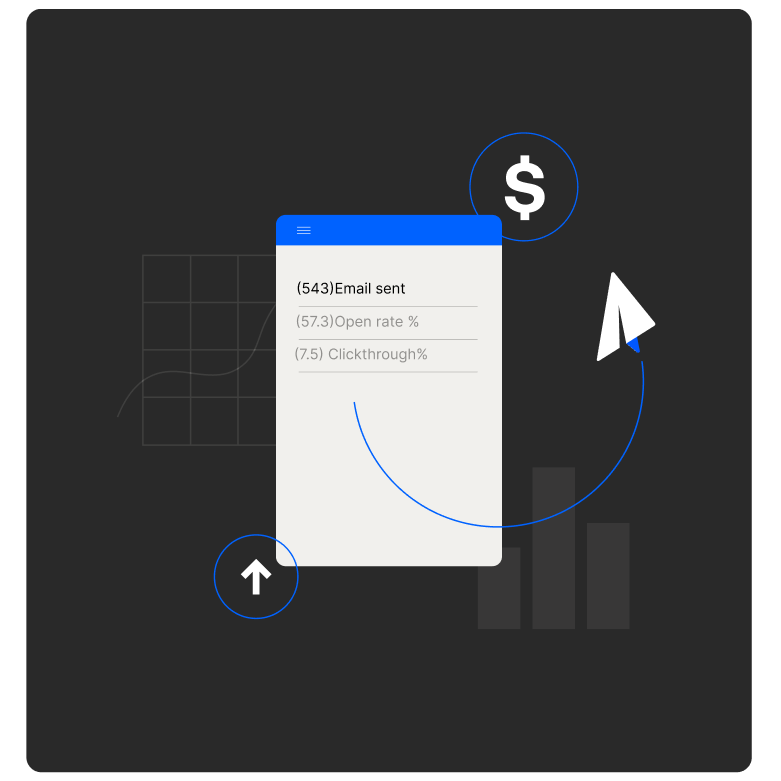
Cold senders live and die at Gmail and Outlook. Send to a seed network covering Gmail, Google Workspace, Outlook, Hotmail, Microsoft 365, and Yahoo, and see exactly where each provider routes your message (inbox, promotions, spam, or missing) before the sequence goes out at volume.

Inbox placement testing
3

Reputation repair when a domain takes a hit

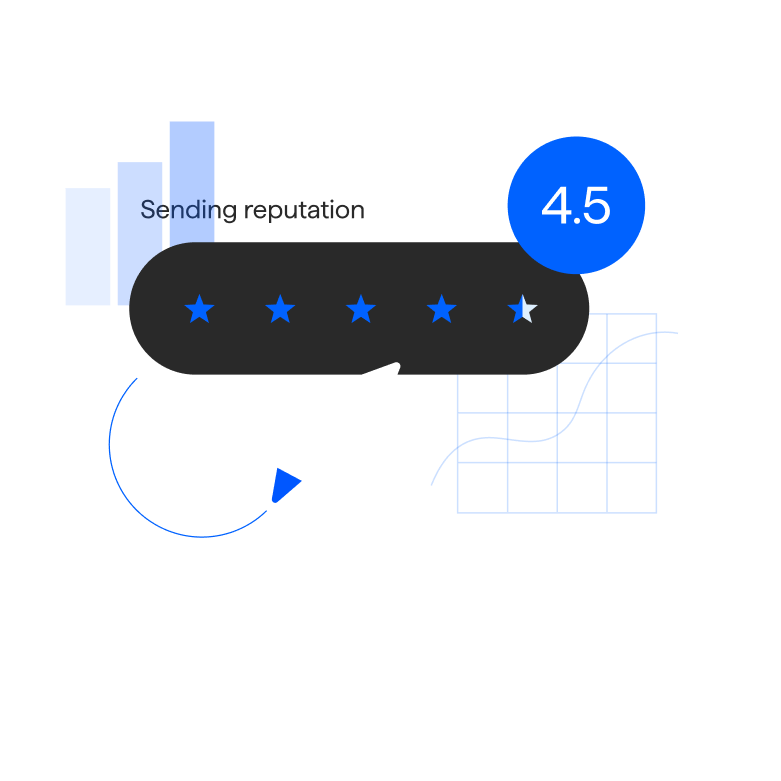
InboxAlly's core engine generates real engagement signals (opens, clicks, replies, and spam-to-inbox moves) through actual mailbox interfaces, not API calls. The reputation repair flow can reverse bad mailbox classifications (Spam to Inbox, Promotions to Primary) on a degraded sending domain. Recovery instead of rotation.

How reputation repair works
4

Multiple sender profiles for domain rotation

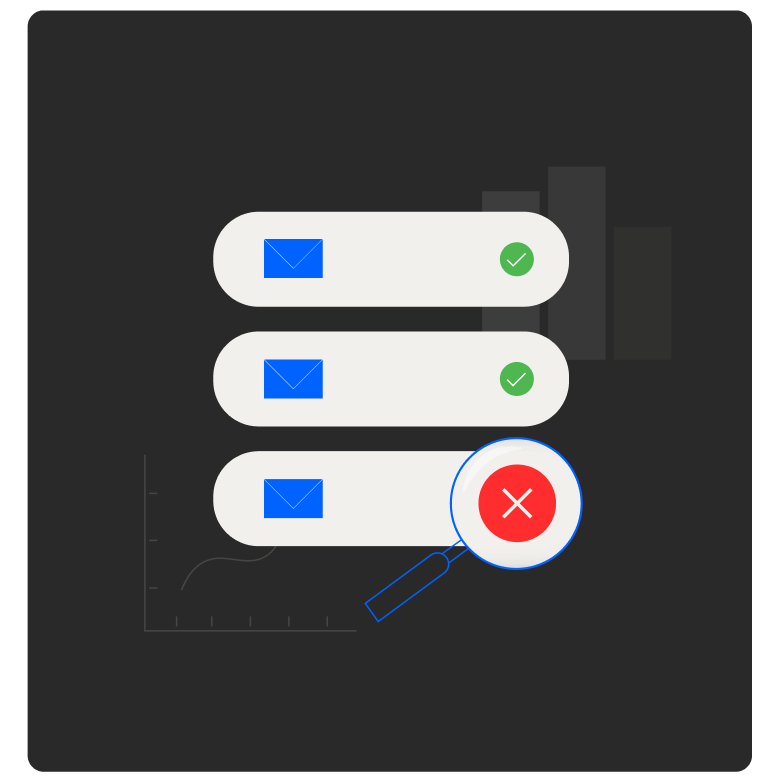
Manage all your sending domains within a single InboxAlly account. Each profile runs its own engagement mode (warmup, repair, protect, boost), placement history, and reporting. Rotate domains, segment by sequence, or split by region without juggling between logins. Capacity scales with your plan.

Sender profiles

When cold email gets weird, you're not on your own

Cold email has more corner cases than playbooks. Tools that offload the rote work, in-app AI grounded in your actual sends, and a deliverability team you can reach when a sequence behaves unexpectedly.

IA Assistant

An in-app AI grounded in your account data. Ask why a domain's IA Score dropped after a sequence launched, or what changed for a specific sender. Answers come from your sends and reputation history, not generic best-practice templates.

Adaptive Autowarmup

AI-driven autopilot warmup that adapts to each domain's signals in real time. Native CRM integrations (HubSpot, Klaviyo, and more) wire your sending stack in directly. New domains land in days, not weeks of manual ramping.

Our deliverability team, every plan

Every plan ships with a dedicated Customer Success Manager plus access to InboxAlly's deliverability team via email, live chat, phone, and Zoom. When a sequence behaves unexpectedly or a domain stops responding to repair, there's a team to work it with you.

We couldn't be happier with the results and the success with fixing our existing domain and kickstarting activity on the new one. We've achieved the desired outcomes in terms of inbox delivery rates and avoiding spam filters.
B2B analytics & data provider
55% → 100%
Inbox placement, one month
Read the case study
Illustration of a cold-sender warmup and reputation workflow

The cold sender's toolkit

Beyond the IA Score and placement testing above, InboxAlly ships the full toolkit. What you need to warm new domains, run sequences without burning them, and recover the ones that take a hit.

Warm up

Get new and rotated domains to productive sending volume before the first sequence.

  • Adaptive Autowarmup

    AI-driven autopilot warmup that adapts to each domain's signals in real time. Set the schedule, plug in via native CRM integrations, and let the ramp run. New cold-sending domains reach productive volume in days.

  • Authentication setup

    Per-domain SPF, DKIM, and DMARC tracking via DMARC Reports and Domain Analytics. Surface alignment issues and unauthorized sources before sequences start. Cold sends without clean authentication get filtered fast.

  • List hygiene before the first send

    Validate any prospect list against the address-quality checks used in deliverability incident response: disposable domains, role-based addresses, spam-trap patterns, hard bounces, and syntactic errors. Catch the list problems that torch domains.

Send

Run sequences without burning the domain: placement testing, hygiene, and live monitoring.

  • Per-provider placement testing

    Send sequence samples to a seed network covering Gmail, Google Workspace, Outlook, Hotmail, Microsoft 365, and Yahoo. See exactly where each provider routes the message before the full sequence runs.

  • Multiple sender profiles for rotation

    Manage every sending domain as a separate sender profile under one account. Each profile runs its own engagement mode (warmup, repair, protect, boost), placement history, and reporting. Rotate domains across sequences without juggling tools.

  • Live monitoring during sequence runs

    Postmaster monitoring surfaces alerts the moment Gmail reputation signals shift (domain reputation changes, spam rate movement, delivery errors). Pull the sequence before the domain pays the full reputation cost.

  • CRM integrations + REST API

    Native CRM integrations with HubSpot, Klaviyo, and more. For anything custom, the REST API covers seeds, sender profiles, and broadcasts. Wire warmup state and placement data into your sending automation directly.

Recover

When a domain takes a hit, repair the reputation instead of rotating to a fresh one.

  • Reputation repair on degraded domains

    The reputation repair flow can reverse bad mailbox classifications (Spam to Inbox, Promotions to Primary) on a degraded sending domain. Recovery instead of rotating to a fresh domain every time reputation slips.

  • Domain Reports per sending domain

    Ongoing visibility into authentication status (SPF, DKIM, DMARC compliance), Postmaster trends, and domain health signals per sender profile, consolidated in one place. Spot the slip before it becomes a crisis.

  • IA Score history across sequences

    Trend lines for IA Score and inbox placement per sender profile over time. Map score moves back to specific sequences, list segments, or send windows. Build a recovery playbook from what actually moved the score.

Questions cold senders ask

How does InboxAlly handle cold-sending warmup?

Adaptive Autowarmup is AI-driven autopilot warmup that adapts to each domain's signals in real time. You set the warmup schedule, plug in via native CRM integrations (HubSpot, Klaviyo, and more), and the ramp runs without daily intervention. New cold-sending domains reach productive volume in days. The engagement engine that drives warmup generates real signals (opens, clicks, replies, spam-to-inbox moves) through actual mailbox interfaces.

Yes. InboxAlly supports multiple sender profiles under one account, with per-profile IA Score, engagement modes, and reporting. Cold senders typically use this for domain rotation (segmenting by sequence, region, or campaign) or for managing a portfolio of related sending domains under one workspace. Plan tier determines how many sender profiles you can run simultaneously, with capacity from 1 on Starter up to unlimited on Enterprise.

InboxAlly's reputation repair flow can reverse bad mailbox classifications (Spam to Inbox, Promotions to Primary) on a degraded sender. The engagement-signal engine generates real behavioral signals through actual mailbox interfaces, which retrain mailbox providers on what your sender deserves. In practice, this means cold-sender domains can often recover instead of rotate when reputation slips, preserving the sending history you've already built. Recovery timelines depend on how degraded the sender is and the volume of seed engagement relative to live sends.

Yes. The list hygiene checks validate any prospect list against disposable domains, role-based addresses, spam-trap patterns, hard bounces, and syntactic errors before the sequence runs. This catches the list problems most likely to torch a cold-sending domain (one campaign hitting too many traps), and surfaces hygiene gaps before they show up as a reputation hit.

Postmaster monitoring surfaces alerts the moment Gmail reputation signals shift (domain reputation changes, spam rate movement, delivery errors). Pair that with the IA Score and per-provider inbox placement data, and you get a real-time read on whether the current sequence is degrading the domain. Pull the sequence early; the recovery cost of stopping at day 3 of a regression is much smaller than the cost at day 14.

Yes. InboxAlly exposes a REST API covering three resource areas: seeds (list, shuffle, manage), sender profiles (create, update, bulk-change engagement presets by domain or tag), and broadcasts (placement results filtered by provider or sender). Common cold-sender use cases: pulling per-domain placement data into a custom dashboard, automating engagement mode changes when inbox rate drops below threshold, and programmatically syncing seed lists across a domain portfolio.

IA Score is InboxAlly's proprietary sender-reputation index, scored 0–100%, representing your predicted inbox placement rate. It's built from your seed email placement history, weighted toward recent performance, and updated daily. The score breaks down per mailbox provider, so when it moves you can see which provider drove the change. Score ranges: 95–100% Excellent, 85–94% Good, 70–84% Fair, below 70% Needs Attention.

See what InboxAlly looks like on your hardest sending domain

A 30-minute live walkthrough with a deliverability specialist on our team. Bring the domain that's giving you trouble. We'll show you what the dashboard says about it.

Book a 30-minute demo