
Marketers pour their energy into the first impression of their welcome email, launch, or campaign with the subject line they spent an hour wordsmithing. Meanwhile, the actual leak is somewhere unexpected, in the people who showed interest, got close, and then gave up.
The stats on this aren’t so flattering either, because the average cart abandonment rate in 2026 is around 70%. Seven out of ten people who want your product enough to add it to a cart still walk away. And carts are only one flavor of leaving. People browse and drift off, buy once and forget you exist, or go quiet after months of opening everything you send.
Remarketing email flows are how you win them back. In this article, we’ll show you five worth studying, each made for a different kind of «almost.» If you want to find out what makes the best ones work, make sure you stick till the end!
Key takeaway
- Good remarketing flows recover people more often through timing and relevance than discounts. A reminder that lands at the right moment and speaks to the specific reason someone hesitated will outperform a blanket coupon nearly every time.
- Done well, remarketing flows protect your sender reputation while they recover revenue.
1. The abandoned cart flow
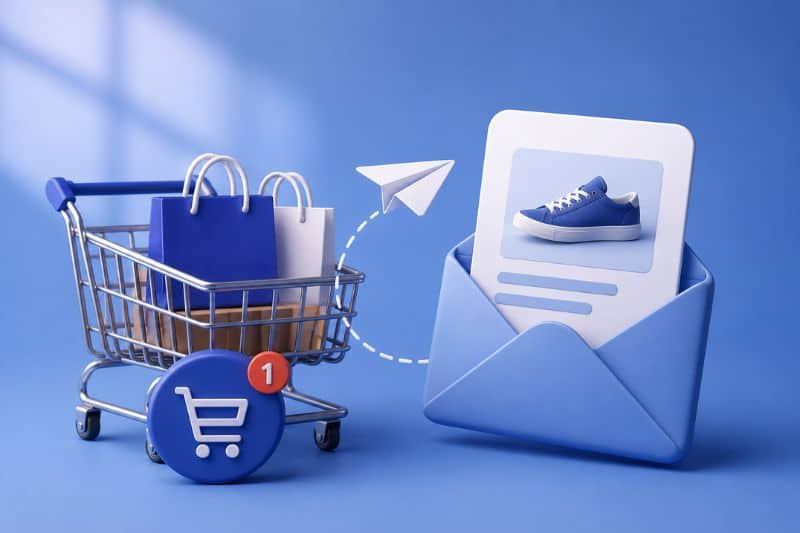
Everyone knows this one, of course. Someone added a product, reached for their wallet, and stopped cold. Intent doesn’t get any clearer than that.
The difference between a clever abandoned cart email and a forgettable one is what it opens with. The reflex is to slap a discount onto the first touch and call it persuasion, which usually backfires. Most people don’t give up because of price but because something interrupted them, or a small doubt wormed its way in at the worst moment. Baymard’s research has found that the top reason for abandoned carts is extra costs during checkout, such as shipping, taxes, or other fees, with forced account creation and slow delivery close behind. No coupon can fix that.
So the best first email does something a bit more nuanced. It shows the cart, reminds the person what caught their eye, and clears away whatever friction kept them from completing the purchase. The Really Good Emails abandoned cart gallery is full of these, and all winning designs have these things in common: product image, a warm line of copy, and one obvious button.
Of course, discounts have their place, just later in the sequence rather than at the front door. A good flow runs three emails: a gentle reminder an hour or two out, a nudge the next day, and a closer that might dangle an incentive if the first two go nowhere. Leading with the coupon teaches your sharpest buyers to abandon on purpose, since they figure out the discount always shows up eventually.
Email recovery hovers around 3.33%, going by the Klaviyo benchmark, which sounds tiny until you compare it to a 70% abandonment rate. At any decent sending volume, that’s a big slice of revenue you’d otherwise lose.
2. The browse abandonment flow
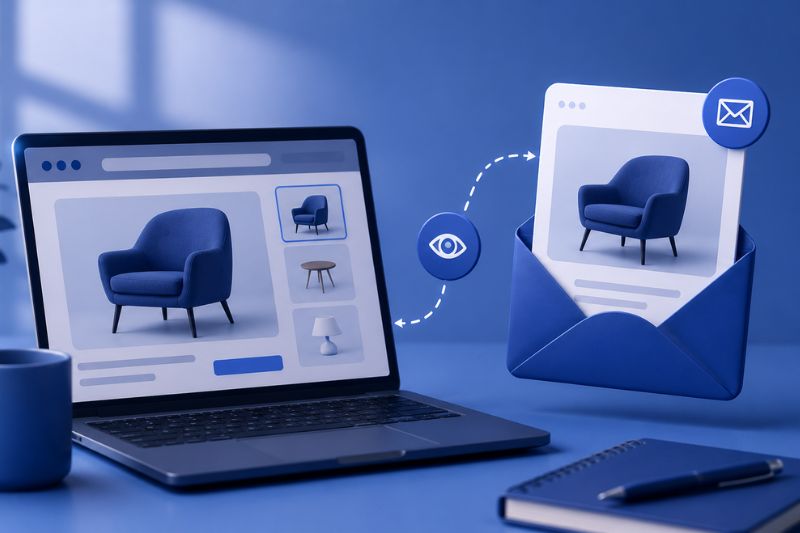
If you step back from the cart for a second, you realize that there’s a whole crowd of people who studied your products and never added a thing. They sat on a product page, maybe circled back twice, then wandered off. No cart, but genuine curiosity.
Browse abandonment catches that earlier flicker of interest. It’s the quieter cousin of the cart flow, and it has to take a different tack because the intent isn’t as strong. Somebody who reached checkout is far closer to buying than somebody who skimmed a product description over coffee. If you lean too hard on the browser, you might come off like you’ve been peering over their shoulder (which, technically, you have).
It’s much better to use a helpful rather than transactional tone here. Forget «complete your order» and lean more toward «still mulling it over?» The email reminds them of whatever they looked at, often alongside a couple of related picks, and keeps the pressure parked outside. The idea is to stay on their mind without forcing a decision they haven’t reached yet.
Personalized emails are the bread and butter of this type of flow. A browse email that mumbles «we miss you» throws away the single most valuable thing you’ve got: the fact that you know exactly what they were eyeing.
So use it! Show the correct product, name the correct category. That relevance is invaluable, and it repeats what made the cart flow click: meeting people where they already stand instead of where you wish they did.
Browse flows convert below cart flows, and that’s the natural order of things. You’re casting where intent is cooler. But they reach an audience the cart flow never lays eyes on, which is precisely why you shouldn’t skip them.
3. The win-back flow
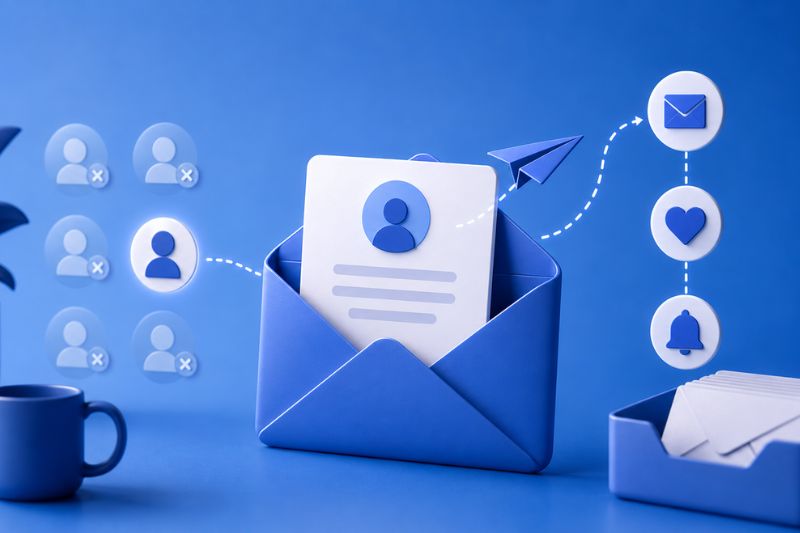
When a customer goes quiet, the usual framing treats winning them back as pure revenue math to lure them back, recover the relationship, and finally book the sale. But there’s a second, more interesting reason to run these flows that most email retargeting campaigns breeze past.
Inactive subscribers can damage your deliverability.
Inbox providers know very well when a good part of your list never engages. Gmail and Outlook read ongoing inactivity as proof that your mail isn’t wanted, and they start steering more of it toward spam, including the messages your active subscribers genuinely want.
A win-back flow helps you handle that without burning the list on a guess. You give unresponsive subscribers a proper reason to re-engage. The ones who bite prove they’re still worth sending to, and the ones who don’t, you let go after a couple of honest tries.
The emotional pitch is a bit different as well. Cart and browse emails assume there’s an inherent interest. Win-back emails have to rebuild it from scratch, which is much harder to do. The idea is to reach for memory and warmth over urgency by recalling what someone liked, showing what’s new since they’ve been gone, and sometimes just asking flat out whether they still want to hear from you.
In these situations, InboxAlly can reinforce the engagement signals inbox providers reward, while you do the harder work of pruning and rebuilding a responsive list. If your inbox placement is not as great as you hoped, book an InboxAlly demo and protect the deliverability you’ve already earned.
4. The post-purchase flow
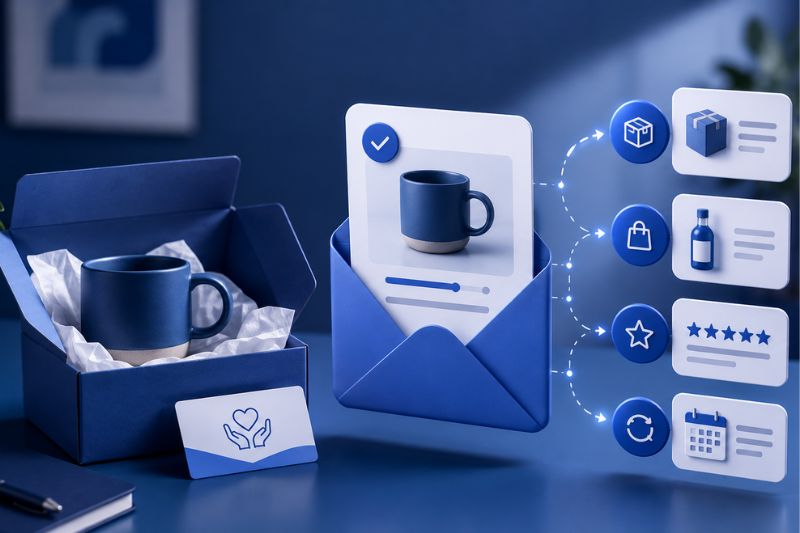
The person who just bought it is the warmest contact you will ever hold. After all, they trusted you with their money five minutes ago, so pitching them a discount to return, the way you’d treat an abandoner, gets the whole relationship backward.
Post-purchase flows remarket to buyers, in an attempt to continue the relationship. The first email after a sale usually has nothing to sell. It confirms the order, sets expectations, and maybe shows the person how to get the most out of what they bought, so why not take a chance to turn a one-time transaction into a reason to come back?
From there, the flow can extend a customer’s lifetime value with any or all of these:
- Replenishment reminders timed to when a consumable is about to run out.
- Complementary products that honestly pair with what someone already owns.
- Review requests sent once they’ve had time to use the thing.
Every one of those earns its place by being useful before it’s promotional, the same instinct that kept the browse flow from tipping into creepy.
Timing rules everything here, and it’s product-specific in a way the other flows never are. A coffee subscription’s replenishment email lives or dies on landing on the week the bag empties. A furniture brand might sensibly wait months before any follow-up makes sense. No universal cadence exists. There’s only the rhythm of how your particular product gets used.
5. The trial-expiry flow

The last one is more oriented toward software, and thus more useful for the SaaS crowd reading along. When a free trial winds down, you enter a narrow, high-stakes window. The person has used the product, and they know what it does. Now they decide whether it’s worth paying for, and the emails around that decision can make or break the conversion.
A trial expiry is different from every flow above because there’s a real urgency. You’re not making up a deadline to invent pressure, the way a phony «sale ends tonight» does. The trial genuinely ends. That honesty buys you a tone that the others can’t. You get to be direct without sliding into manipulation, because the clock is real and both sides know it.
A good trial-expiry sequence tends to do three things over its run:
- Remind them what they’d lose. Not features in the abstract, but the specific things they built or accomplished while trialing. Concrete beats generic every time.
- Remove the decision friction. Make upgrading a single click, and explain plainly what happens to their data and their work if they don’t upgrade.
- Offer a way to talk to a human. A reply-to invitation or a quick call tends to convert the fence-sitters better than one more automated nudge.
The trap here is similar to the cart-flow trap from earlier: leading with a discount. Cut the price when a trial ends, and you teach prospects that stalling is the clever move. It’s far better to argue the product’s worth first, keep the incentive in your back pocket, and use it only when real hesitation appears. Same lesson, different context: the discount is a last resort, never an opening bid.
The thread running through all five
With all the differences aside, these flows have a lot in common. Each reaches a person at a moment that already means and says something that fits that moment in particular. If you want to win at remarketing, don’t rely on flashing the deepest discounts. Instead, try reading the moment correctly and trust that relevance will do the job, a coupon never will.
But a win-back sequence can’t revive customers if Gmail has already decided your mail isn’t worth reading. To give your next remarketing campaign a real chance to perform, try InboxAlly and improve the inbox placement that determines a good deal of your email marketing success.