Sending bulk emails sounds simple enough. Write a message, upload a list, and hit send. But if you have ever watched a campaign flop or noticed your emails quietly landing in spam, you already know there is more going on behind the scenes.
In 2026, bulk email success is less about volume and more about trust. Mailbox providers are smarter, filters are stricter, and engagement matters more than ever. What used to work even a few years ago can now seriously hurt your sender reputation if you are not careful.
This guide walks through the bulk email best practices that actually matter today. Not theory. Not recycled tips. Just clear, practical advice to help your emails reach the inbox and get results.
Key Takeaways
- Inbox placement in 2026 is driven by trust and engagement, not how many emails you send. Consistent positive interactions determine whether future messages reach the inbox or get filtered out.
- List quality and relevance matter more than tactics. Sending targeted, timely emails to people who actually want them protects deliverability and improves long-term results.
- Deliverability compounds over time. Good habits build sender reputation while poor engagement, spam complaints, or sudden volume changes quickly erode it.
What Does “Bulk Email” Really Mean Today?
Bulk email usually refers to sending the same or similar message to a large group of people at once. That could be a newsletter, a promotional campaign, a product announcement, or even cold outreach at scale.
Once you are emailing 100 or more recipients at a time, mailbox providers treat you as a bulk sender.
That means your emails are judged less on individual content and more on patterns. How people interact with your emails over time determines whether future messages reach the inbox or get filtered out.
The best practices below reflect what works right now and what successful senders do to keep their emails landing in the inbox.
1. Start With a List That Actually Wants Your Emails
It is tempting to focus on list size, but in bulk email, bigger is rarely better.
Mailbox providers care deeply about how recipients react to your emails. If people ignore, delete, or mark your messages as spam, that behavior follows you. Sending to disengaged or uninterested contacts is one of the fastest ways to damage deliverability.
The healthiest lists are built intentionally. Website signups, lead magnets, event registrations, and customers who explicitly opted in all tend to perform well. Double opt in adds another layer of protection by confirming real interest and filtering out bad addresses early.
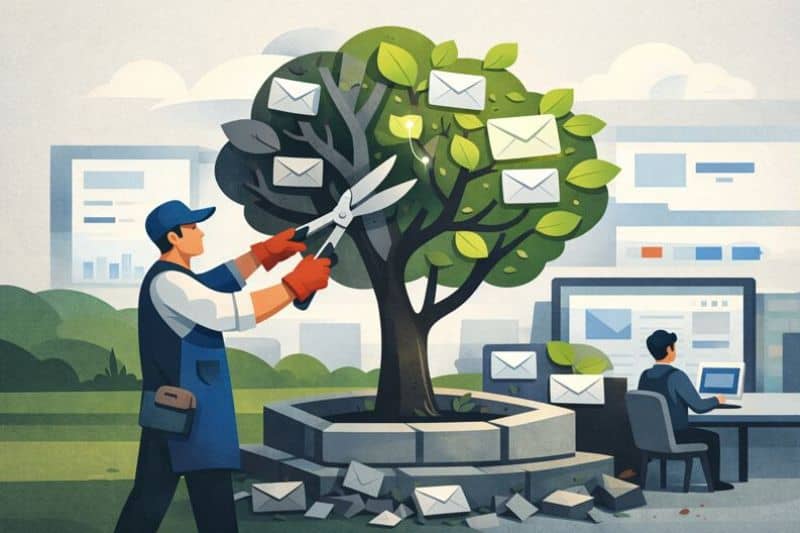
If someone has not engaged with your emails in months, keeping them on your list does more harm than good. Regular list cleaning is not optional anymore. It is part of staying deliverable.
2. Personalization Is About Relevance, Not Tricks
Using a first name in the subject line is fine, but it is no longer enough to move the needle.
What actually improves engagement is relevance. People open and read emails that speak directly to their situation, not ones that feel generic or automated.
Segmentation helps you get there. Instead of sending one message to everyone, break your list into groups based on behavior, interests, or where someone is in the customer journey.
A new subscriber should not receive the same email as a long time customer. Someone who clicks regularly should not be treated the same as someone who barely opens.
When emails consistently feel useful and timely, engagement improves naturally. That positive engagement is exactly what inbox providers look for.
3. Design Emails for How People Actually Read Them
Most emails are skimmed, not studied.
In 2026, mobile devices still dominate email opens. If your message is hard to read on a phone, people will delete it quickly. Those quick deletes send negative signals that hurt future inbox placement.
Keep layouts simple. Use short paragraphs, clear spacing, and buttons that are easy to tap. Avoid heavy images that load slowly or break formatting in certain email clients.
The goal is not to impress with design. The goal is to make your message easy to consume in a few seconds.
4. Engagement Comes From Value, Not Flashy Elements
Interactive content can be useful, but it is often oversold.
Many email clients still limit what works reliably. Overloading emails with GIFs, videos, or advanced elements can backfire if messages fail to load or feel cluttered.
What consistently works is clarity. A clear reason for opening the email. A clear takeaway. A clear next step.
Ask yourself one simple question before sending any bulk email. Why would I open this if I were on the receiving end? If you cannot answer that confidently, the email needs work.
5. Timing Matters More Than You Think
There is no universal best day or time to send bulk or mass emails anymore.
Mailbox providers now evaluate engagement patterns at the individual level. If your audience tends to open emails in the morning, sending late at night works against you. If your list spans multiple time zones, blasting everyone at once guarantees poor engagement from part of your audience.
Looking at past performance data helps. Many email platforms offer send time optimization based on recipient behavior. Even small improvements in timing can lead to better engagement, which compounds over time.
6. Track the Signals Inbox Providers Actually Care About
Open rates still matter, but they are only part of the picture.
Inbox providers also look at click through rates, replies, how long emails are read, and whether messages are ignored or deleted without being opened. Spam complaints carry significant weight, even at low volumes.
Pay attention to trends, not just individual email campaigns. A gradual drop in engagement is often the first warning sign of deliverability trouble. The earlier you adjust, the easier it is to recover.
7. Make Optimization an Ongoing Habit
Bulk email is not something you set up once and forget.
High performing senders constantly adjust. They remove inactive subscribers, refine messaging, and test small changes over time. This keeps engagement healthy and prevents reputation decay.
A single poorly performing campaign will not usually ruin deliverability. Repeated patterns of low engagement will. Consistency matters more than perfection.
8. Keep Messages Focused and Easy to Act On
Long emails are not always bad, but unfocused emails almost always are.
Each bulk mail should have one primary purpose. If you want someone to read an article, say that. If you want them to book a demo, make that obvious.
Too many CTAs or competing messages confuse readers. Confused readers do not engage. And low engagement is costly in bulk email.
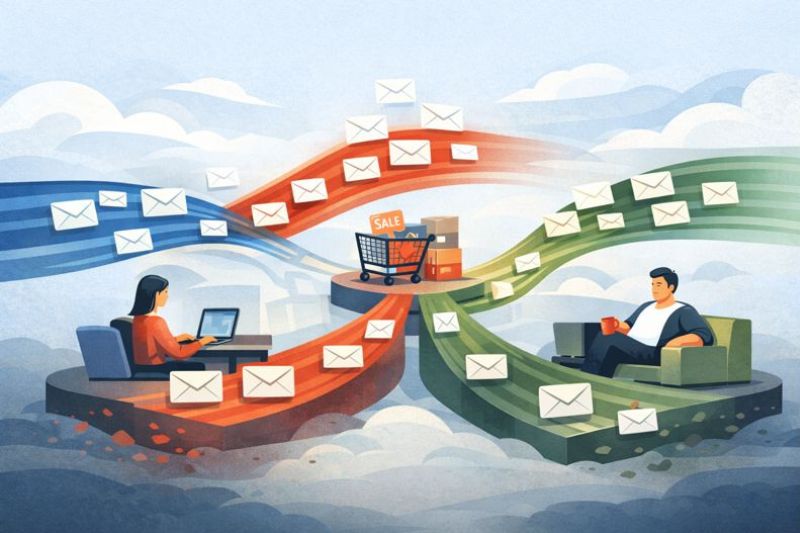
9. Subject Lines and Preview Text Set Expectations
The subject line gets the open. The preview text helps seal the decision.
In 2026, misleading subject lines are punished quickly. If people open and immediately leave, inbox providers notice. Good subject lines are honest, specific, and aligned with the content inside. Preview text should add context, not repeat the subject line.
Testing different approaches helps, but consistency and trust matter more than clever wording.
10. Promotions Work Best When They Are Not Constant
Discounts and deals can drive clicks, but overusing them trains subscribers to ignore everything else.
Healthy bulk email programs balance promotional content with educational or helpful messages. When every email asks for something, engagement drops over time.
Think in terms of relationship building, not just immediate conversions.
11. Deliverability Is the Foundation of Everything
You can write the perfect email, but if it does not reach the inbox, it does not matter.
Proper authentication is mandatory. SPF, DKIM, and DMARC must be set up correctly. Domains and IPs need to be warmed gradually. Spam complaints must stay low.
Mailbox providers judge your sending behavior continuously. Trust is built slowly and lost quickly. This is where many bulk email senders struggle, especially when scaling volume or launching new domains.
InboxAlly helps solve this by focusing on engagement-based reputation building. By generating consistent positive engagement signals through real interactions, InboxAlly helps train inbox providers to see your emails as wanted and trustworthy. Over time, this improves inbox placement and protects sender reputation.
12. Compliance Is Not Optional
Every bulk email must respect unsubscribe requests, include proper identification, and comply with applicable laws.
Regulations like the CAN-SPAM Act and GDPR are not just legal checkboxes. Violations often lead to spam complaints and deliverability issues long before fines become a concern. Respecting recipient choice is part of long term email success.
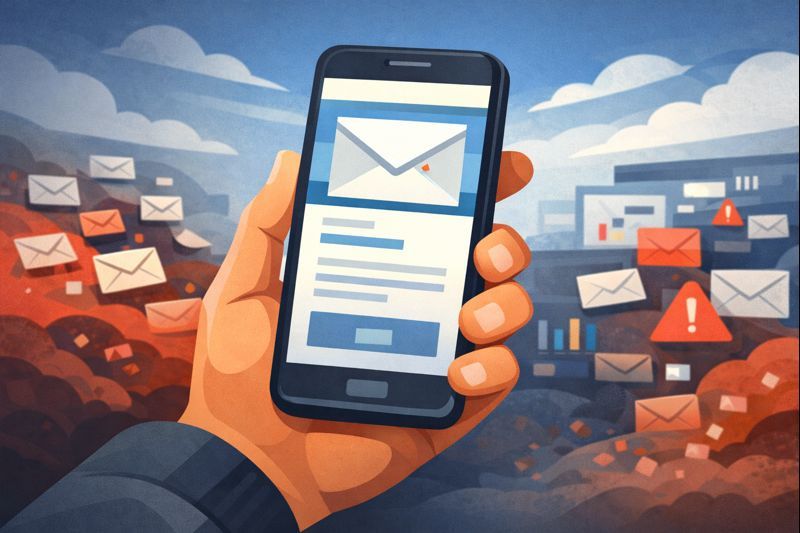
13. Test With Purpose, Not Guesswork
A/B testing is most useful when it answers a specific question.
Instead of testing everything at once, focus on one variable. Subject lines, email length, CTA placement, or timing are all good places to start. Small improvements add up over time, especially when they improve engagement consistency.
How to Reduce Spam Complaints in Bulk Email Campaigns
Reducing spam complaints starts with setting clear expectations and respecting subscriber choice.
Most spam complaints come from people who did not realize they signed up, forgot they did, or feel trapped because they cannot unsubscribe easily. A visible unsubscribe link and a clear explanation of why someone is receiving the email go a long way toward lowering reported spam rates.
Sending targeted emails instead of generic email blasts also helps. When email subscribers receive messages that match their interests and frequency preferences, they are far less likely to mark marketing emails as spam. Removing disengaged subscribers regularly protects your sender reputation and improves overall email delivery.
Sending Marketing Emails and Transactional Emails From The Same Domain
Transactional emails such as receipts and password resets are expected and usually receive strong engagement. Marketing emails tend to have higher unsubscribe and spam rates. Sending both from one domain means marketing performance can directly affect whether important transactional emails reach the recipient’s inbox.
Using one domain for marketing campaigns and another for transactional emails helps protect delivery rates and ensures critical messages continue to reach users even if a marketing campaign underperforms.
In many cases, separating them is the safer option.
Final Thoughts
Bulk email still works in 2026, but only when it is done with intention.
Inbox providers reward senders who respect their audience, send relevant content, and maintain healthy engagement patterns. Those who chase shortcuts often pay for it later with poor deliverability and lost trust.
If inbox placement has become unpredictable or you are scaling volume and want to protect your sender reputation, InboxAlly can help. By focusing on engagement and trust signals, it gives your emails a better chance of landing where they belong.
Because in bulk email, getting into the inbox is half the battle.